
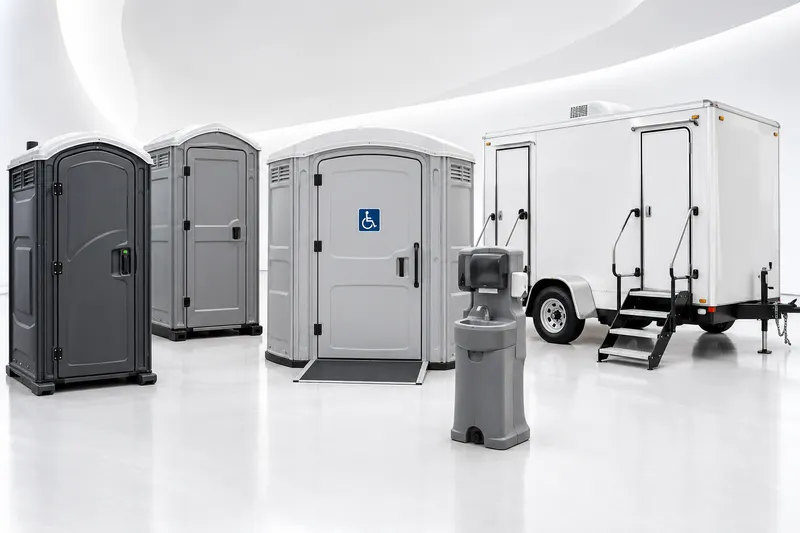
Plan the facilities alongside the meal
Describe the guests, duration and bathrooms already available. A standard toilet can meet a straightforward enclosed-use need; access-focused features, flushing or a trailer are separate choices to discuss. Identify where people wash their hands and what supplies are included. Do not assume that choosing a more decorative cabin automatically provides the washing arrangement needed by your group.
Give the host and sanitation provider different jobs
Highland’s published pavilion rules address ordinary litter cleanup, while the Canyon Oaks campground instructions say that garbage receptacles are not provided there. Check the current terms for the actual booked place. Plan a suitable route for meal rubbish independently of the rented toilets: a sanitation tank is not a convenient container for plates, bags, food packaging or leftover drinks.
Avoid a cluttered cleanup corner
Tell the provider where tables, food service and rubbish containers will stand. Keep the bathroom entrance and washing controls available when the meal is cleared away. Ask what ordinary checks the host should make and what is reserved for the professional service team. A bin emptied by a caterer does not mean a portable unit has been cleaned or serviced.
Keep the end of the gathering in the quote
Include helpers’ working time, the venue’s accepted access and the planned collection arrangement. If the rubbish task needs a separate dumpster, describe its contents and property requirements separately. For the toilet hire, obtain a clear model, supplies and maintenance scope. This lets the host divide the work sensibly without leaving bathroom care to whoever happens to remain last.
Questions before you book
Does portable toilet servicing include clearing meal rubbish?
Not automatically. Confirm the sanitation service and arrange ordinary event rubbish separately; packaging and food waste do not belong in toilet tanks.